Development brief

Kravet — Describe the change you want to explore

A useful note names the decorative cloth you can already point to, the difference you hope to see, and the room that will judge it. Seating, a window and a contract interior can share a palette and still need different cuttings.

  1. Current cloth
  2. Desired handle or shade
  3. How the next cutting will be judged

Before you send

What exists now?

Name the current construction and the issue in the room: a face that feels too crisp, a shade that drifts from the cutting, or a width that will not cover the rail without an extra seam. If you have a memo, say whether it is a face-only snippet or a larger hanging, and whether the pile runs one way. Add the fibre blend when you know it, written as percentages, plus the weave or pile. Grams per square metre help only when you also say whether that mass is a target or a figure from a named specimen.
What should change?

Describe the handling, the processing or the use outcome you want to compare. A quieter sheen, a drier hand, a wider cuttable width, or a shade held closer to a named cutting are all specific requests. Say how you will judge the next piece: beside the approved memo, under the room lamp, or against a method you already have in a file. Quantity and destination can sit in the same message, yet they do not replace the cloth description. If a wear, light or seam question matters, name that question on its own line so it is not mixed with colour.

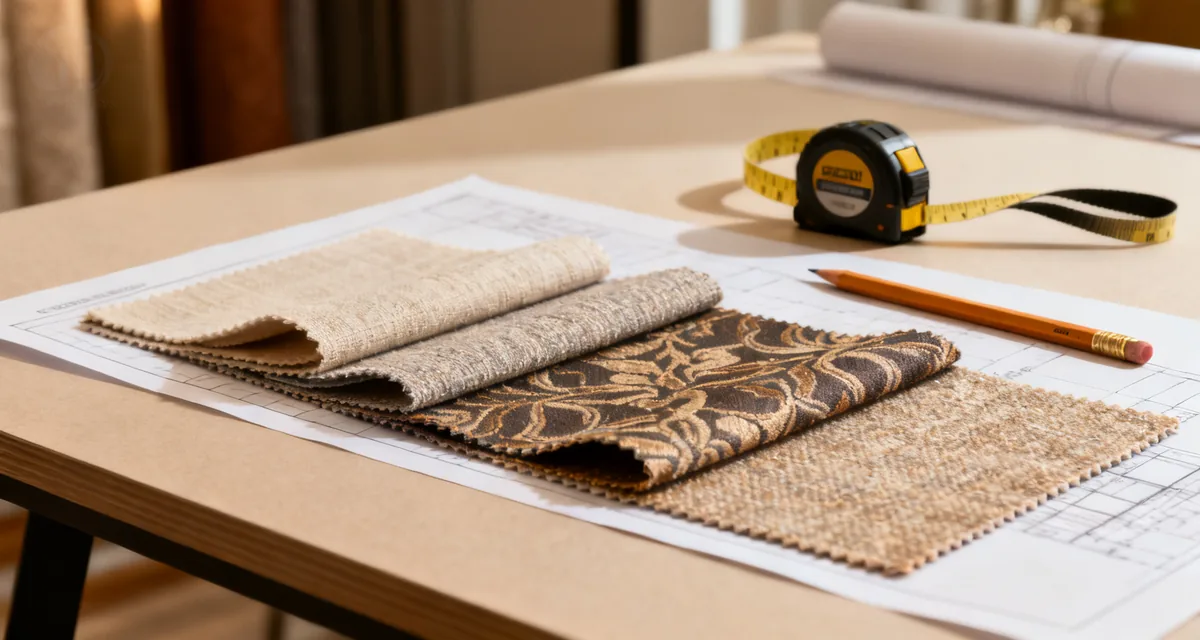
Decorative fabric cuttings and a notebook on a project table

Explore a development question

Share the current material and the intended difference. The note below is how a project question reaches the conversation. Mention the finish or backing only when it changes the comparison you need.

Enter a first name.
Enter a valid email.
Describe the cloth and the decision.

By sending this note you agree that the project details can be used to reply. Read the Privacy Policy.