Evidence before comparison
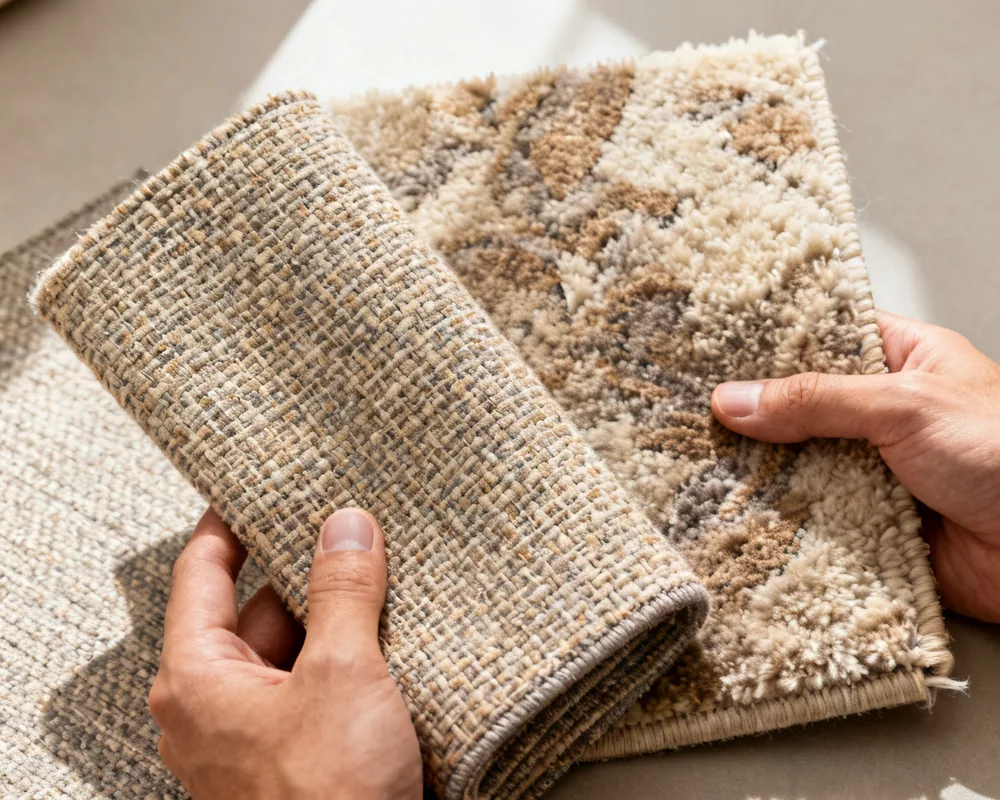
A seating cloth and a window cloth can share a fibre name and still drape, crease and show light in different ways. Hold both cuttings under the same lamp, then write the handle you actually want: dry, plush, crisp or slack.
Discuss a physical cutting
This catalogue stays with home textile and upholstery fabrics for interior coordination. It does not list finished sofas, sewn drapery or chairs.
Browse materials| Use context | Question | Evidence to discuss |
|---|---|---|
| Seating contact | How will people sit, and how will the surface be cleaned? | A wear method, the specimen state, and a handle note from the cutting |
| Window light | Will the cloth hang in sun, or sit behind a lining? | A colorfastness context and the shade cutting you will approve |
| Contract interior | Is the brief a residence or a commercial room? | Usable width, lot shade and the document scope that actually applies |
Mass per unit area does not describe pile height, weave tightness or the finish on the face. Two Kravet upholstery fabrics can sit near the same grams per square metre and still feel unlike each other in the hand.
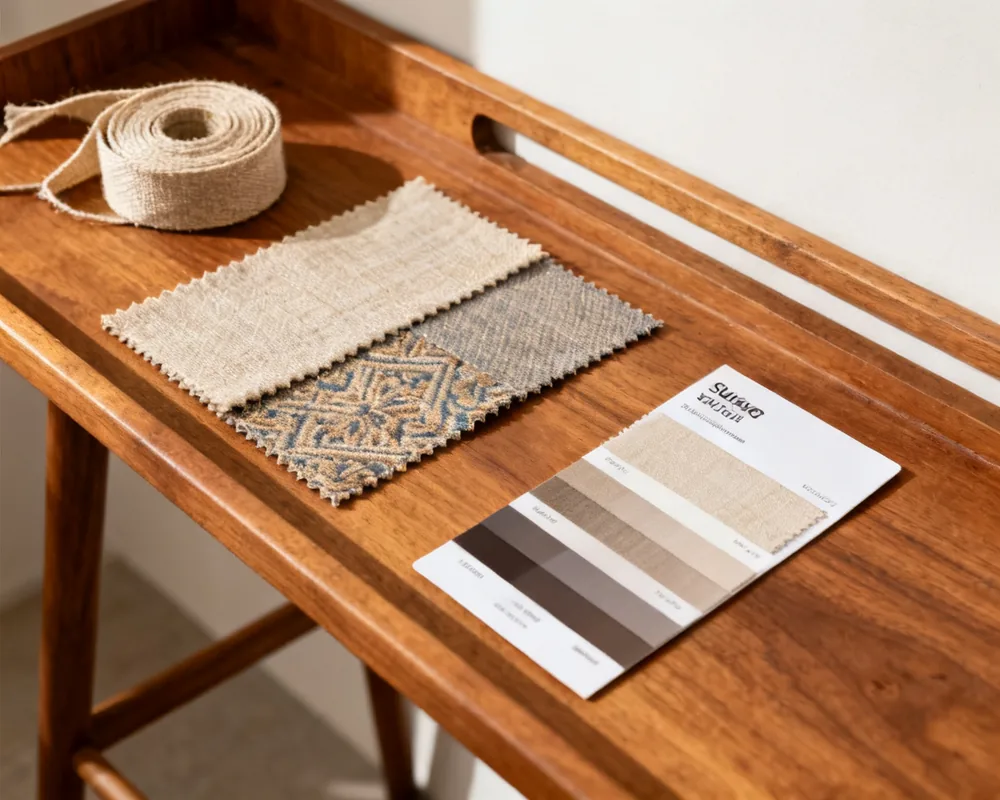
Name the cloth or send the cutting reference, then add construction, the cuttable width you need, the room and the shade you are trying to hold. A colour name on a screen is only a starting hint.
Only after the method, the specimen condition and the product scope match. Abrasion for seating and light exposure for drapery answer different worries, so they should not be collapsed into one score.
Explain what the current construction needs to change: handle, shade band, width or the way the face wears in use.
What needs to improve, and how will the next cutting be judged?Open a development note